Anúncios
Mobile device security has become a critical concern in today’s digital landscape. With the rise of smartphone theft and unauthorized access attempts, protecting your device and tracking its location in case of loss or theft is essential. Free mobile security apps with real-time location monitoring provide comprehensive protection without requiring a significant financial investment.
Links internos do site.
Anúncios
The combination of security features and GPS tracking capabilities offers peace of mind for smartphone users worldwide. Whether you’re concerned about device theft, unauthorized access, or simply want to monitor family member locations, these applications deliver powerful tools that integrate seamlessly into your daily routine.
Why Real-Time Location Monitoring Matters
Real-time location monitoring serves multiple critical purposes in mobile security. When a device goes missing, the ability to track its exact GPS coordinates becomes invaluable. Modern security apps can pinpoint device location within meters, allowing swift recovery before valuable data is compromised.
Anúncios
Beyond theft prevention, location monitoring enables families to maintain awareness of loved ones’ whereabouts. Parents can verify that children are at school or arriving home safely. This dual functionality makes location-enabled security apps essential tools for both personal and family protection.
The technology behind real-time tracking relies on GPS satellites, cellular triangulation, and Wi-Fi networks. This multi-layered approach ensures accurate positioning even in areas where a single system might fail. Battery efficiency has improved dramatically, allowing continuous monitoring without draining your device’s power reserves.
Essential Security Features Beyond Location Tracking
Comprehensive mobile security extends far beyond location monitoring. Modern apps include malware detection engines that scan applications before installation and continuously monitor existing software for threats. These detection systems use cloud-based threat databases containing millions of known malicious applications.
Remote lock functionality allows you to secure your device immediately upon discovering loss or theft. You can establish a new PIN, pattern, or biometric requirement that prevents unauthorized access even if the device powers off and on again. Some advanced apps enable remote data wipe capabilities, destroying sensitive information before thieves access it.
Anti-theft notifications send immediate alerts when unauthorized unlock attempts occur. These warnings often include a photo captured by the front camera, providing crucial evidence of the person attempting device access. Geofence alerts notify you if your device leaves designated safe zones, detecting theft attempts in real time.
Familo: Family Location and Device Protection
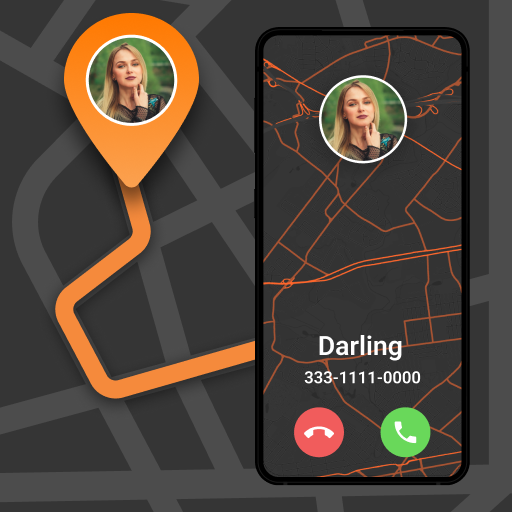
Familo stands out as a dedicated solution for family tracking and mobile security. This application combines real-time GPS location monitoring with comprehensive device protection features. The interface prioritizes simplicity, allowing users of all technical levels to set up family location sharing within minutes.
The app enables parents to establish safe zones around home, school, or work locations. Family members receive automatic notifications when someone enters or exits these designated areas. This geofencing capability provides essential safety verification without requiring constant manual checking.
Familo’s location history feature maintains detailed records of each family member’s movement patterns. This historical data proves invaluable when investigating concerning activities or verifying alibis. The clean dashboard displays all family members’ current locations simultaneously, supporting rapid decision-making during emergencies.
 4.3
4.3
Familo: Find My Phone Locator
Informações sujeitas a alteração. Consulte a loja oficial para detalhes atualizados.
Device security features within Familo include remote lock capabilities and real-time malware scanning. Battery optimization prevents excessive power consumption despite continuous location tracking. The application works seamlessly across both iOS and Android devices, ensuring family members using different platforms remain protected equally.
Google Family Link: Complete Parental Control Solution
Google Family Link integrates location tracking with comprehensive parental controls designed specifically for family safety. This official Google solution provides real-time GPS monitoring alongside app management, screen time restrictions, and content filtering capabilities.
Parents using Family Link receive instant notifications when children’s devices reach home, school, or other important locations. The app displays current battery levels for each device, ensuring you know when recharging is necessary before critical moments occur. Location history spanning weeks or months enables pattern recognition and safety verification.
The platform includes app approval workflows where parents review and authorize application downloads before children can install them. Screen time management allows setting daily limits for specific applications, promoting healthy device usage patterns. Content filters block access to age-inappropriate websites automatically.
Family Link operates across multiple devices simultaneously, creating comprehensive household coverage. The application respects privacy while maintaining necessary security oversight. Notification preferences customize how frequently and which events trigger parental alerts.
Kaspersky Mobile Security: Enterprise-Grade Protection
Kaspersky Mobile Security delivers professional-level threat protection combined with device tracking capabilities. The application utilizes Kaspersky’s extensive threat intelligence database, monitoring millions of applications and websites for malicious activity. This enterprise-grade security extends to personal smartphone protection.
The anti-theft module enables remote device location, photography capture from the front camera when unauthorized unlock attempts occur, and complete data destruction. SIM card change notifications alert you if someone replaces your device’s SIM card, a common theft tactic to establish new network connections.
Real-time scanning monitors application behavior continuously, detecting suspicious activities that other security systems might miss. Kaspersky’s machine learning algorithms improve protection accuracy over time, adapting to emerging threat patterns. Web protection blocks access to phishing sites and malware distribution networks.
The application includes secure Wi-Fi connection monitoring, warning users about unsecured networks that expose sensitive data. Password manager integration stores and encrypts login credentials securely. These additional features create a holistic security ecosystem extending beyond basic location tracking.
Norton Mobile Security: Comprehensive Threat Detection
Norton Mobile Security combines location tracking with advanced threat prevention capabilities developed over decades of cybersecurity expertise. The application includes comprehensive malware scanning, privacy monitoring, and anti-theft functionality designed for maximum device protection.
Real-time location tracking displays your device’s exact GPS coordinates through an intuitive map interface. The anti-theft module enables remote lock, camera snapshot capture, and data wiping from a secure online dashboard. Phone call and SMS filtering blocks unwanted communications automatically.
Privacy monitoring alerts you whenever applications request access to sensitive data like location, contacts, or camera. App permissions review helps identify potentially dangerous permission combinations that suspicious applications might exploit. Web protection blocks access to malicious sites before downloads begin.
Norton’s system optimizer removes unnecessary files that slow device performance while freeing storage space. Battery optimization prevents security features from consuming excessive power. The application updates threat definitions multiple times daily, ensuring protection against the latest discovered threats.
McAfee Mobile Security: Multi-Layer Defense Strategy
McAfee Mobile Security provides layered protection combining real-time threat detection with location monitoring and anti-theft capabilities. The application scans all installed applications and continuously monitors system activities for suspicious behavior patterns.
The lost device recovery feature enables immediate location tracking through GPS, cellular triangulation, and Wi-Fi networks. Remote lock functionality prevents unauthorized access while you arrange device recovery. The capture-on-unlock feature automatically photographs unauthorized access attempts, providing valuable evidence.
McAfee’s web protection blocks access to phishing sites specifically designed to steal login credentials and financial information. App privacy monitoring displays which applications access sensitive data, preventing unauthorized information sharing. Call and SMS filtering blocks spam and fraud attempts automatically.
Vulnerability scanning identifies outdated applications with known security flaws, recommending immediate updates. Social media protection alerts you about suspicious activities on linked social accounts. The application supports multiple device management, allowing protection across smartphones, tablets, and wearables simultaneously.
Avast Mobile Security: Lightweight Yet Comprehensive
Avast Mobile Security delivers powerful protection in a lightweight application that minimizes performance impact. The device tracker enables real-time GPS location monitoring alongside photo capture capabilities when unauthorized unlock attempts occur. This combination ensures you can locate your device and identify perpetrators simultaneously.
The malware scanner examines every application before installation and continuously monitors running processes for threats. Avast’s detection engine identifies both known malware and suspicious behavioral patterns indicative of newly emerging threats. Regular definition updates maintain protection against the latest discovered vulnerabilities.
Privacy protection features block applications from accessing sensitive information without explicit user permission. The app permissions advisor explains each permission an application requests, helping identify potentially dangerous combinations. Web protection prevents accidental access to phishing and malware distribution sites.
Avast’s Wi-Fi security scanning identifies unsecured networks that expose your data to interception attacks. VPN integration provides encrypted connections for sensitive transactions on public networks. The application supports optimization features that improve device speed without compromising security effectiveness.
Setting Up Effective Location Monitoring
Proper configuration of location monitoring apps ensures maximum effectiveness and reliability. Begin by enabling GPS positioning and allowing location permission for your selected security application. Most modern apps request this permission during initial setup, but manual verification in device settings confirms proper configuration.
Establish battery optimization settings that allow your security app to run continuously without excessive power drain. Most applications include power-saving modes that reduce update frequency during low battery conditions. Testing location accuracy by verifying displayed coordinates against known locations ensures proper GPS functionality.
Configure notification preferences to receive alerts about significant location changes while avoiding excessive interruptions. Setting up multiple safe zones enables customized alerting based on family member locations. Regular testing of remote lock and data wipe features ensures these critical functions work properly before emergencies occur.
Enable cloud backup for important device data, providing protection even if complete data wipe becomes necessary. Most security apps integrate with cloud storage services to automatically backup contacts, photos, and documents. Verify that backup credentials remain secure and separate from primary device passwords.
GPS Accuracy and Tracking Reliability
GPS accuracy varies based on environmental factors and available satellite coverage. Open areas with clear sky visibility typically provide accuracy within 5-10 meters. Urban areas with tall buildings may experience reduced accuracy due to satellite signal reflection and obstruction.
Cellular triangulation provides location estimates when GPS signals prove unavailable or unreliable. This method calculates position based on distances to nearby cellular towers. Accuracy typically ranges from 50-500 meters depending on tower density and network coverage.
Wi-Fi positioning uses known network location databases to estimate position based on detectable wireless networks. This method works particularly well in urban areas with extensive Wi-Fi coverage. Accuracy improvements occur continuously as databases expand with new network location data.
Combined positioning strategies use all available methods simultaneously, selecting the most accurate available option. Modern security apps automatically switch between methods based on environmental conditions and signal strength. This adaptive approach ensures reliable tracking across diverse locations and conditions.
Data Privacy and Security Considerations
Location data represents sensitive personal information requiring robust protection. Reputable security apps encrypt location information during transmission and storage, preventing interception by unauthorized parties. Verify that your selected application uses industry-standard encryption protocols like TLS 1.2 or higher.
Review application privacy policies to understand exactly how location data is collected, stored, and used. Legitimate applications clearly state data retention periods and provide options to delete historical data. Avoid applications making vague promises about data privacy without specific technical implementations.
Enable two-factor authentication for your security app account, preventing unauthorized access to location information. Use strong, unique passwords that attackers cannot guess through brute-force methods. Change passwords periodically and after any suspected security incidents.
Disable location sharing only when truly necessary and re-enable immediately afterward. Maintain awareness of which applications have location permission beyond your primary security app. Regular permission audits ensure that only essential applications access sensitive location data.
Real-World Recovery Success Stories
Documented cases demonstrate the effectiveness of real-time location monitoring in device recovery. A theft victim tracked their iPhone through Apple Find My service, providing location coordinates to local police. Officers recovered the device within hours, apprehending the suspect at the coordinates the application provided.
Parents using family location apps discovered children stranded after vehicle breakdowns, immediately dispatching help to exact GPS coordinates. Without real-time tracking, hours might have passed before emergency services located the missing children. The combination of location data and parent notification enabled rapid response.
Corporate device management implementing real-time tracking recovered a lost company smartphone containing sensitive financial information. The location data enabled rapid retrieval before any unauthorized access occurred. The same tracking prevented theft by providing geofence alerts when the device left authorized areas.
Family members using location monitoring detected concerning pattern changes in elderly relatives’ movement routines, prompting health checkups that identified serious medical conditions. Early intervention prevented hospitalizations and improved long-term health outcomes. Location data analysis identified subtle behavioral changes invisible without systematic monitoring.
Choosing the Right Security App for Your Needs
Selecting an appropriate mobile security application depends on your specific requirements and priorities. Family-focused users benefit most from applications providing comprehensive location sharing with easy setup and clear interfaces. Familo and Google Family Link excel in this category, prioritizing family safety over maximum technical features.
Users prioritizing enterprise-level protection against advanced threats benefit from Kaspersky, Norton, or McAfee applications. These platforms provide sophisticated threat detection and professional-grade security features. The additional capabilities justify slightly higher resource consumption and potential subscription costs.
Users seeking lightweight applications with minimal performance impact should consider Avast Mobile Security. This platform delivers effective protection without excessive battery drain or storage consumption. The streamlined feature set focuses on essential security functionality.
Compare specific features like malware detection accuracy, update frequency, customer support responsiveness, and pricing models. Read recent user reviews from multiple sources to understand real-world performance and reliability. Trial periods allow testing applications before committing to long-term use.
Future Developments in Mobile Security Technology
Artificial intelligence increasingly powers mobile security applications, enabling detection of previously unknown threats through behavioral analysis. Machine learning algorithms identify suspicious activity patterns by comparing current behavior against historical baselines. These intelligent systems adapt continuously, improving detection accuracy over time.
Blockchain technology introduces decentralized verification systems for device authentication and data integrity. This approach prevents unauthorized changes to location data and security status information. Future implementations may enable peer-to-peer verification networks eliminating central authority requirements.
5G network expansion enables faster location updates and lower latency communications essential for emergency response. Enhanced network reliability allows security applications to maintain connections even during network congestion. Real-time threat response capabilities improve significantly with reduced communication delays.
Advanced biometric integration including facial recognition, iris scanning, and behavioral biometrics provides more sophisticated device authentication methods. These systems become increasingly difficult to bypass compared to traditional PIN and password protection. Continuous authentication monitors ongoing usage patterns rather than requiring authentication only at initial unlock.