Announcements
Losing a smartphone to theft represents one of the most stressful experiences in today's digital world. Your device contains sensitive personal information, financial data, and irreplaceable memories. Fortunately, GPS tracking apps offer effective solutions to locate your stolen phone without spending money. These applications work by using your device's built-in GPS technology, cellular signals, and Wi-Fi networks to pinpoint its exact location in real time.
Internal site links.
Announcements
Mobile phone theft has increased significantly over the past five years. According to recent security reports, approximately one smartphone is stolen every 30 seconds globally. The financial impact extends beyond the device's cost, as criminals can access banking apps, social media accounts, and personal files. GPS tracking technology provides proactive defense mechanism that increases recovery chances substantially.
Free GPS tracking apps eliminate the need for expensive monitoring services. These tools integrate seamlessly with your device's operating system and require minimal setup. Most options work across both Android and iOS platforms, making them accessible irrigation of your phone model. The primary advantage lies in their ability to function without subscription fees while maintaining comprehensive location tracking features.
Understanding GPS Tracking Technology for Phone Recovery
Announcements
GPS tracking operations through satellite positioning systems that triangulate your phone's location with remarkable accuracy. Modern smartphones contain multiple positioning technologies including GPS, GLONASS, and Galileo systems. These work in conjunction with cellular network triangulation and Wi-Fi mapping to determine location even when GPS signals are weak.
The effectiveness of GPS tracking depends on several factors. Battery life significantly impacts tracking capabilities, as a powered-off device cannot transmit location data. Internet connectivity, whether through mobile data or Wi-Fi, remains essential for transmitting coordinates to your tracking service. Signal strength in urban versus rural areas affects accuracy, with city environments typically offering better precision due to multiple positioning sources.
Most GPS tracking apps create a secure cloud backup of your device's location history. This means even if your phone goes offline temporarily, you can access previously remembered coordinates. Advanced applications store location data at regular intervals, creating a trail that helps authorities locate stolen devices. Real-time tracking capabilities allow you to monitor movement patterns and determine whether your phone remains stationary or is being transported.
Family: Comprehensive Family Tracking and Phone Recovery
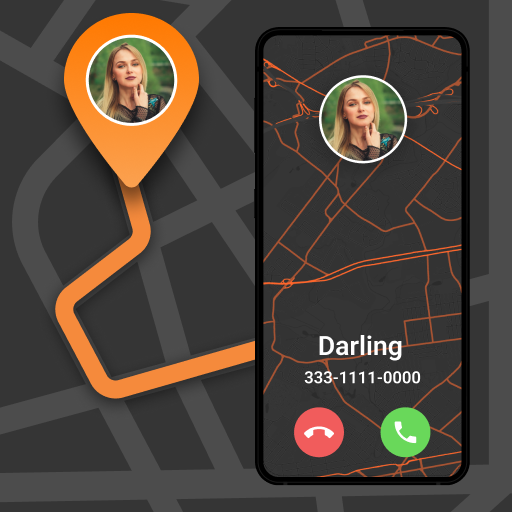
Family stands as a leading option for GPS phone tracking with its robust feature set designed for family protection and device recovery. The application provides real-time location sharing, allowing you to track not just your own stolen phone but also family members' devices. Familo operates effectively across multiple platforms and requires minimal battery drain compared to competing applications.
The platform offers geofencing capabilities that alert you when devices enter or exit designated safe zones. This feature provides invaluable for parents monitoring children's whereabouts and protecting against phone theft in specific locations. When a phone is reported stolen, Familo's system can initiate remote actions including alarm activation and data protection measures.
Installation on Familo is straightforward, requiring less than two minutes to configure. The app runs efficiently in the background without consuming excessive battery resources. The user interface presents location data in an intuitive map format, making it easy to identify your stolen phone's position. Familo's free tier includes essential tracking features, though premium subscriptions unlock additional security options.
 4.3
4.3
Family: Find My Phone Locator
Information subject to alteration. Consult the official website for updated details.
Native Device Tracking: Built-in Solutions from Apple and Google
Apple and Google have integrated comprehensive tracking systems directly into their operating systems, eliminating the need for third-party applications in many cases. Apple's Find My service operations through the massive iCloud network, leveraging millions of Apple devices worldwide to locate offline iPhones. This decentralized approach means your phone can be tracked even when it's powered off or disconnected from the internet.
The Find My app provides several critical functions for stolen device recovery. Users can remotely trigger sound alerts on their iPhone, making it easier to locate if stolen and hidden nearby. The Lost Mode feature locks the device remotely and displays a custom message with alternative contact information. Erase iPhone functionality allows you to remotely wipe sensitive data before taxes access your financial accounts.
Google's Find My Mobile service offers similar capabilities for Android users. The system requires devices to be connected to Google accounts and maintains location history through Google's servers. Android users can activate remote lock and erase functions through any web browser, providing flexibility when accessing tracking features from a different device.
Both systems offer location tracking that doesn't react on active GPS alone. When devices are connected to Wi-Fi networks, positioning accuracy improves significantly. The built-in nature of these solutions means they don't deplete battery as aggressively as standalone applications. Security professionals recommend enabling these services immediately upon purchasing a new device rather than waiting until theft occurs.
Setting Up GPS Tracking Before Your Phone Gets Stolen
Preventive configuration represents the most critical step in ensuring effective phone recovery. Installing tracking applications before these occurs guarantees they operate automatically when you need them most. Most users neglect this setup until after losing their device, making proactive installation essential.
Begin by enabling location services in your device settings. Navigate to privacy settings and verify that location permissions are activated for all relevant applications. Grant location access to your chosen tracking app, ensuring it can access GPS, cellular, and Wi-Fi positioning data. Configure automatic location updates to maintain consistent tracking accuracy.
Create strong, unique passwords for any accounts connected to your tracking app. Enable two-factor authentication whenever available, adding an additional security layer. Document your device's IMEI number and serial number, information that provides ownership to authorities and carriers. Store this information securely in a separate location, such as cloud storage or a physical backup.
Register your device with your mobile carrier's security program. Most carriers offer theft reporting services that can disable SIM cards and prevent unauthorized use. This coordinated approach between your tracking app and carrier significantly improves recovery prospects. Enable biometric authentication on your tracking app to prevent unauthorized access to location data.
Advanced Tracking Features for Enhanced Phone Security
Modern GPS tracking applications include features beyond simple location monitoring. Remote alarm activation allows you to trigger loud sounds that help locate your device if it's nearby. Some applications support custom messages displayed on your locked screen, providing thoughts with contact information for returning the device.
Data protection features enable remote access to your files and messages. Secure backup systems automatically upload your contacts, photos, and important documents to cloud storage, ensuring information survives device loss. Remote device wipe capabilities prevent criminals from accessing banking applications and personal accounts.
Battery preservation modes optimize tracking accuracy while minimizing power consumption. These intelligent systems adjust GPS polling intervals based on your location patterns, reducing battery drain during stationary periods. Some applications switch to cellular triangulation when GPS signals weaken, maintaining continuous tracking without excessive battery impact.
Integration with emergency services represents an advanced feature offered by premium tracking applications. Your device can automatically share location coordinates with police during theft reports. Some applications participate in community tracking networks where users report stolen device signatures, creating a crowdsourced recovery system.
Addressing Privacy Concerns in GPS Tracking Implementation
Privacy considerations arise when implementing continuous location monitoring systems. Legitimate tracking applications employ encryption protocols protecting location data from unauthorized access. Reputable services never sell location information to third parties or use tracking data for marketing purposes.
Transparency in data handling practices distinctions trustworthy applications from potentially harmonious alternatives. Examine application permissions carefully before installation, declining requests for unnecessary data access. Legitimate tracking apps require location services but shouldn't request access to your contacts, messages, or financial information.
Regular privacy audits through your device's settings maintain control over information sharing. Review which applications maintain background location access and disable this permission for unnecessary apps. Understanding your tracking app's data retention policies, determining how long historical location information remains stored.
When using family tracking features, establishment clear communication about monitoring practices. Children and family members deserve transparency irrigation location tracking, creating trust rather than suspicion. Balance security needs with privacy expectations, using tracking as a safety tool rather than invasive surveillance.
Comparing Free vs. Premium Tracking App Features
Free GPS tracking applications provide essential location recovery capabilities without financial investment. These basic versions typically include real-time position monitoring, location history access, and device alarm activation. Most free options maintain functionality indefinitely, with no time limits or subscription requirements.
Premium paid versions introduces advanced features justifying their cost. Enhanced accuracy using proprietary positioning algorithms improves location precision in challenging environments. Priority support from technical teams provides faster assistance during current theft situations. Some premium services offer device history analytics, showing detailed movement patterns over extended periods.
Additional premium features include integration with professional recovery services and law enforcement coordination. Priority flagging on stolen device networks increases visibility within security communities. Advanced analytics help identify patterns suggesting intentional device movement versus accidental loss scenarios.
The decision between free and premium versions depends on your specific needs and risk tolerance. Users in high-crime areas might justify premium service investment for advanced features. Most individuals find free applications sufficiently protective for typical smartphone loss scenarios. Trial periods allow testing premium features before committing to paid subscriptions.
Emergency Response Actions When Your Phone Goes Missing
Immediate action dramatically improves phone recovery prospects after theft or loss. Upon discovering your device missing, access your tracking application from a computer, tablet, or deleted phone within minutes. Time sensitivity matters critically, as many can quickly power down stolen devices or remove SIM cards.
Activate your device's alarm feature immediately upon discovery. Loud sound alerts help locate phones hidden in nearby locations or within your home. If your phone is nearby, the alarm increases recovery chances significantly. For devices taken far from your location, the alarm serves as a theft detergent, reducing criminal interest in keeping or selling the stolen device.
Contact your mobile carrier immediately to report the theft. Request SIM card deactivation, preventing thoughts from using your phone number for fraudulent communications. Carriers maintain theft databases that help recover devices through their networks. Some carriers offer remote device disabling services preventing network access without authorization.
File an official theft report with local law enforcement, obtaining a report number for insurance and carrier documentation. Provide authorities with your device's IMEI number, model, and distinctive features. Law enforcement agencies maintain stolen device databases and can flag your phone in national recovery systems. Share your tracking app's location data with police, providing exact coordinates for recovery operations.
Reinstalling Tracking Apps on a New Device After Loss
Following successful recovery or device replacement, immediately reinstall your preferred tracking application on the new device. Configure all location permissions and enable automatic updates to maintain continuous protection. Register the new device identifier with your carrier's security program and theft prevention systems.
Update your login credentials for all accounts previously accessed on your stolen device. Change passwords for email, banking, social media, and other sensitive services. Enable security notifications that alert you to unauthorized access attempts. Review recent account activity to identify any suspicious transactions or unauthorized access during the theft period.
Restore your backup data from cloud services, ensuring your personal information returns to your new device. Verify that sensitive files and documents transfer successfully from backup systems. Configure two-factor authentication on all accounts, particularly those containing financial or personal information.
Share your new device identifier with family members using shared tracking features. Update emergency contacts and trusted people lists to reflect individuals who can assist during future device loss situations. Document your new device's IMEI number and serial information, following the same preventive practices established before your previous device's loss.
Legal and Law Enforcement Cooperation in Phone Recovery
Police departments increasingly collaborate with GPS tracking app providers to recover stolen devices. Many jurisdictions maintain specialized units handling phone theft investigations, particularly for high-value devices. Providing law enforcement with your tracking app's location data accelerates recovery operations and increases apprehension chances.
Your tracking application's data serves as admissible evidence in criminal proceedings against phone taxes. Timestamp-verified location history demonstrations where your device traveled, supporting law enforcement investigations. When combined with video surveillance from nearby businesses or residences, tracking data builds compelling criminal cases.
International phone theft recovery requires coordination between multiple law enforcement agencies. Your tracking app's ability to monitor devices crossing state or national borders assists federal authorities in recovery operations. Border agencies and customs services use device tracking information to intercept phones intended for illegal international markets.
Never attempt vigilante recovery of your stolen phone. Confronting fears creates personal safety risks that override device recovery benefits. Allow law enforcement professionals to handle recovery operations based on tracking data you provide. Your responsibility involves documenting location information and supporting police investigations through information sharing.
Selecting the Right GPS Tracking App for Your Needs
Evaluating GPS tracking applications requires comparing multiple factors beyond basic location monitoring. Check application reviews on both Google Play and Apple App Store, looking for consistent user experiences and reliability reports. Read recent reviews specifically, as older feedback may reflect outdated versions with different capabilities.
Assess each application's track record with security vulnerabilities and privacy incidents. Established companies with transparent security practices demonstrate commitment to protecting your sensitive location data. New applications offer innovative features but may lack come track records in protecting user privacy.
Consider your device ecosystem when selecting tracking applications. Integrated solutions within Apple's Find My ecosystem or Google's services offer seamless functionality. Cross-platform applications work across iOS and Android, providing beneficial if you use multiple devices. Test applications on a spare device before relying on them for current recovery scenarios.
Battery impact varies significantly between tracking applications. Some solutions consume minimal power through intelligent update scheduling, while others maintain constant GPS connections draining batteries quickly. Real-world testing in your specific usage patterns provides accurate assessments of battery consequences.
Examine location accuracy in your area by testing applications before theft occurs. Urban environments typically offer excellent GPS accuracy, while rural areas may experience limitations. Applications performing poorly in your region during testing may fail during current theft recovery situations. Regional factors like building density and cellular infrastructure significantly impact positioning accuracy.